
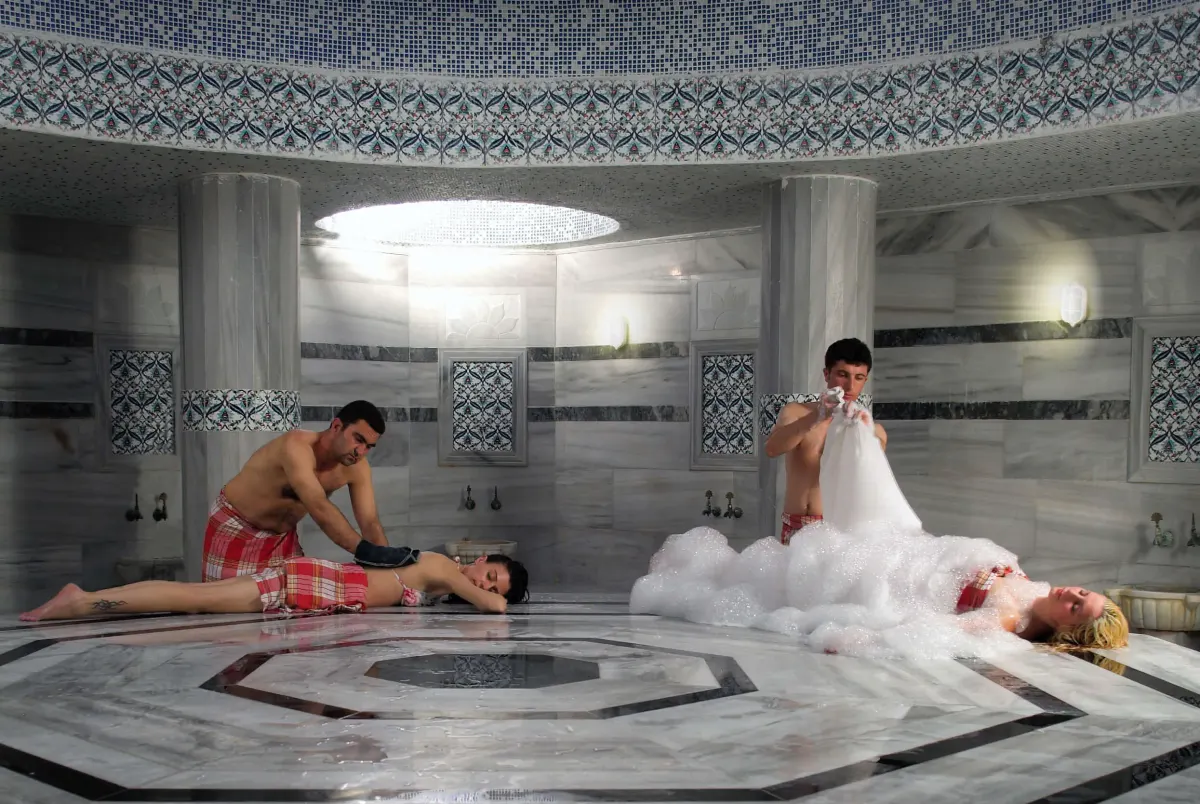
The Turkish Hammam is more than a bath—it's a centuries-old ritual that blends cleansing, social connection, and calm into a single immersive experience that can feel like stepping into living history. As a Turkish bath tradition, it honors hammam rituals that elevate heat, moisture, scent, and touch beyond ordinary cleansing, inviting a sensorial immersion. When you compare spa vs hammam experiences, you’ll notice a flowing sequence of heated rooms, a ceremonial pace, and a warmly social atmosphere that invites mindful participation over lingering reflection. This introductory overview hints at steam room benefits, the kese exfoliation, the foaming wash, and a follow-up massage that leave skin brighter and muscles looser, while the mind drifts toward quiet focus. In short, the journey offers a world-class Turkish spa experience rooted in tradition, making it a distinctive option for wellness, travel, and personal renewal, and shared moments of cultural appreciation.
Beyond the name, the tradition unfolds as a meticulously choreographed experience in which heated spaces, cool marble, and soft lighting frame a ritual of cleansing. LSI-friendly terms like steam bath culture, public bathhouse heritage, and aromatherapy-rich massage help connect this practice to related wellness concepts. Attendants guide guests through a sequence—warmth, cleansing, exfoliation, foam, and rinse—emphasizing touch and mindful breathing rather than a one-off service. In contemporary wellness settings, this once-public tradition often takes on a private or semi-private form, blending old-world cadence with modern privacy, comfort, and safety. For travelers seeking a tangible link to place, exploring these bath rituals offers a timeless Turkish spa heritage without sacrificing relaxation or personal space.
The Turkish Hammam: A Timeless Ritual of Heat, Steam, and Social Connection
Entering a Turkish Hammam is a multisensory initiation: warm marble surfaces, domed ceilings that diffuse steam, and the faint fragrance of olive oil soap filling the air. The space is designed to guide you through a gentle arc of heat, humidity, and quiet focus, turning cleansing into a ceremonial act rather than a simple wash. This is where the Turkish bath tradition reveals its depth: a cadence of motion and sensation that feels both ancient and present.
As you move through the ritual, the social dimension emerges—often a shared experience among friends or family—while remaining mindful of personal comfort. The Turkish bath tradition blends hygiene, mindfulness, and cultural ritual, inviting a slower pace that contrasts with hurried daily routines. It’s this combination of atmosphere and touch—the essence of hammam rituals—that defines the distinctive charm of a Turkish Hammam within the broader realm of wellness.
Hammam Rituals: Core Steps That Define the Turkish Bath Experience
A typical hammam journey unfolds in a sequence: arrival in a warm, marble-walled space; a warming stage to raise body temperature; steam and cleansing with olive oil soap; exfoliation (kese) to slough away dry skin; foam washing; and a relaxing rinse or massage. Each step serves a purpose, preparing the skin, calming the nervous system, and guiding the body toward a renewed sense of softness and ease.
This ritual-centric flow is a hallmark of the Turkish bath experience, where attendants tailor pressure, temperature, and technique to comfort. The combination of exfoliation, foam, and massage creates a cascading sensation that soothes muscles, boosts circulation, and leaves the skin bright and permeable to moisture—a core distinction between hammam rituals and more isolated spa services.
Hammam Rituals and the Turkish Spa Experience: Where Steam Meets Ceremony
In the Turkish spa experience, steam is not merely a backdrop but a transformative element that loosens joints, opens pores, and invites mindful breathing. The salon-like calm of the space supports a ceremony that emphasizes presence and care, turning a routine cleanse into a social yet intimate ritual. The sensory interplay of heat, water, and touch creates a mood that many find deeply restorative.
Throughout the experience, you’ll notice how foam washing, delicate massage, and aromatic oils weave together, making the process both therapeutic and ceremonial. This is a core reason why travelers and locals alike speak of hammam rituals as not just about cleansing, but about arriving at a calmer, more centered state through a distinctive Turkish spa experience.
Spa vs Hammam: How Atmosphere and Purpose Shape Your Wellness Day
The spa vs hammam comparison highlights a difference in atmosphere, pace, and intent. A traditional spa day often centers on a single service—like a massage or facial—in a quiet, private space. In contrast, the hammam emphasizes a progression through heat, cleansing, and touch within a shared, reverent environment that honors communal warmth as part of well-being.
In modern Turkish spa settings, these elements can be balanced to preserve ritual while offering privacy. You may find semi-private or mixed spaces that still retain the characteristic flow—heat leading to cleansing, then to exfoliation and massage—creating a hybrid that captures the best of both worlds without losing the essence of the Turkish hammam tradition.
Steam Room Benefits and Skin Renewal in the Turkish Bath
The steam and heat of a Turkish bath stimulate circulation, helping to relax muscles and ease tension. The warmth opens pores, facilitating deeper cleansing and a more effective exfoliation when the kese is used. Over time, this can contribute to greater skin clarity and a soft, hydrated feel that lasts beyond the session.
Beyond the physical effects, the steam room experience invites a mental reset. The combination of sound, scent, and steady breath slows the mind, making room for renewed focus and reduced stress. The Turkish bath—rooted in long-standing tradition—offers a holistic benefit package that couples physiological benefits with cultural mindfulness.
Etiquette, Preparation, and Respectful Visiting of a Turkish Hammam
Preparation begins with understanding local etiquette: attire rules, gender-specific hours, and whether the experience is clothing-optional or more conservative. It’s wise to check these guidelines in advance and to communicate any preferences or sensitivities to staff so the session can be tailored to comfort.
Respect and clear communication are essential in hammam etiquette. Tell the attendant whether you prefer a light touch or a thorough exfoliation, and note any skin sensitivities or medical considerations. Allow ample time for the full journey—from arrival through cooling down—so you can absorb the ritual and benefit from the calm, restorative state that the Turkish Hammam invites.
Frequently Asked Questions
What is a Turkish Hammam and how does it relate to the traditional Turkish bath?
A Turkish Hammam is a ritual-focused bath experience rooted in Ottoman and earlier Roman traditions. It blends cleansing, social interaction, and mindfulness through a structured sequence—from warming rooms to steam, exfoliation (kese), foam washing, and massage. In spa vs hammam comparisons, the hammam emphasizes ritual flow and a communal atmosphere that sets it apart from a simple Turkish bath or Western spa day.
What are the core hammam rituals you typically experience in a Turkish spa experience?
Core hammam rituals usually unfold as a sequence: arrival in a warm marble-walled space; a warming stage to raise body temperature; steam and cleansing with olive oil soap; exfoliation (kese) to remove dead skin; foaming wash and massage; and post-treatment relaxation. These hammam rituals are designed to cleanse, soften skin, and calm the mind within a Turkish spa experience.
How does a Turkish Hammam differ from a spa day in atmosphere and sequence?
A Turkish Hammam often offers a communal, stepwise ritual across heated rooms, whereas a spa day may be a single service in a quiet room. The hammam emphasizes heat, moisture, and social interaction—the essence of spa vs hammam.
What are the physical and mental benefits of a Turkish Hammam, including steam room benefits?
Benefits include improved circulation from heat, skin exfoliation, and relaxed muscles, plus stress relief and mental calm. The steam helps open pores and prepares skin for cleansing, contributing to a broader sense of renewal and well-being.
What etiquette and preparation should I know before visiting a Turkish Hammam?
Check attire rules, gender-specific hours, and modesty norms; clarify preferences with attendants; ask about sensitivities and medical concerns; plan for a 60 to 90 minute session.
When choosing between a Turkish Hammam and a modern spa day, what should travelers consider for an authentic Turkish spa experience?
If you seek ritual depth, social warmth, and a multi-step cleansing, the Turkish Hammam offers an authentic Turkish spa experience. If you prefer private, tailored services, a modern spa day may suit you better. Some venues blend both, giving you the best of ritual and personalization.
| Key Point | Overview | Notes / Significance |
|---|---|---|
| What is the Turkish Hammam? | A centuries old ritual blending cleansing, social connection, and calm. | A cultural act that engages the senses, honors tradition, and invites mindfulness. |
| Origins & Setting | Public bathhouses rooted in the Ottoman Empire and earlier Roman times; architecture uses marble, domed ceilings, and warm rooms to regulate heat and humidity. | Creates a deeply cleansing, meditative experience. |
| Ritual vs Spa | Hammam emphasizes a sequence, atmosphere, and ritual; spaces may be gender specific; it is a multi step journey. | Different from typical spa days that focus on isolated treatments. |
| Core Elements (Arrival to Post-Treatment) | Stages include arrival, warming, steam cleansing, exfoliation using kese, foaming wash, massage, and cooldown. | Represents a guided, multi-step journey through heat and touch. |
| Social & Cultural Aspect | Hammams are social spaces where family and friends share the experience; ritual and conversation are part of the tradition. | Adds a communal dimension to wellness. |
| Hammam vs Spa Differences | Ceremonial arc and communal warmth versus private, single service focus; ritual cadence remains central. | Distinct atmosphere and sequence set Hammam apart. |
| Skill & Touch | Attendants balance tradition with sensitivity; use kese for exfoliation and olive oil soap for cleansing; massage varies by setting. | Quality of touch shapes the experience and outcomes. |
| Benefits (Beyond Skin) | Heat and humidity boost circulation; exfoliation brightens skin; mental reset through multisensory cues; relaxation improves mood. | Well-being gains extend beyond cleansing. |
| Etiquette & Practical Tips | Attire rules, gender hours, modesty, communicate preferences, plan 60 to 90 minutes; allow time for steam and relaxation. | Respect and preparedness improve comfort and enjoyment. |
| Choosing Between Hammam & Modern Spa | Goal driven: cultural immersion and ritual vs private, highly personalized services; hybrid offerings exist. | Hybrid experiences can blend both worlds. |
| Traveler Experience Today | Warm, dimly lit environments; modern facilities maintain humidity and comfort while preserving tradition. | Guides and etiquette notes enhance first-time visits. |
| Conclusion (Bottom Line) | Hammam experience emphasizes a multi-step, social ritual; a distinct cadence and traditional materials differentiate it from Western spa days. | Offers lasting physical and mental renewal. |
Summary
Turkish Hammam offers a ritual rich path to cleansing and calm, blending physical cleansing with mental renewal. The experience unfolds as a sequence of heat, steam, exfoliation, and massage within a social and cultural atmosphere that sets it apart from modern spa days. By embracing the tradition, travelers and locals can enjoy a multisensory journey that nourishes body, mind, and community, making the Turkish Hammam a timeless practice that invites presence, relaxation, and renewed well-being.