
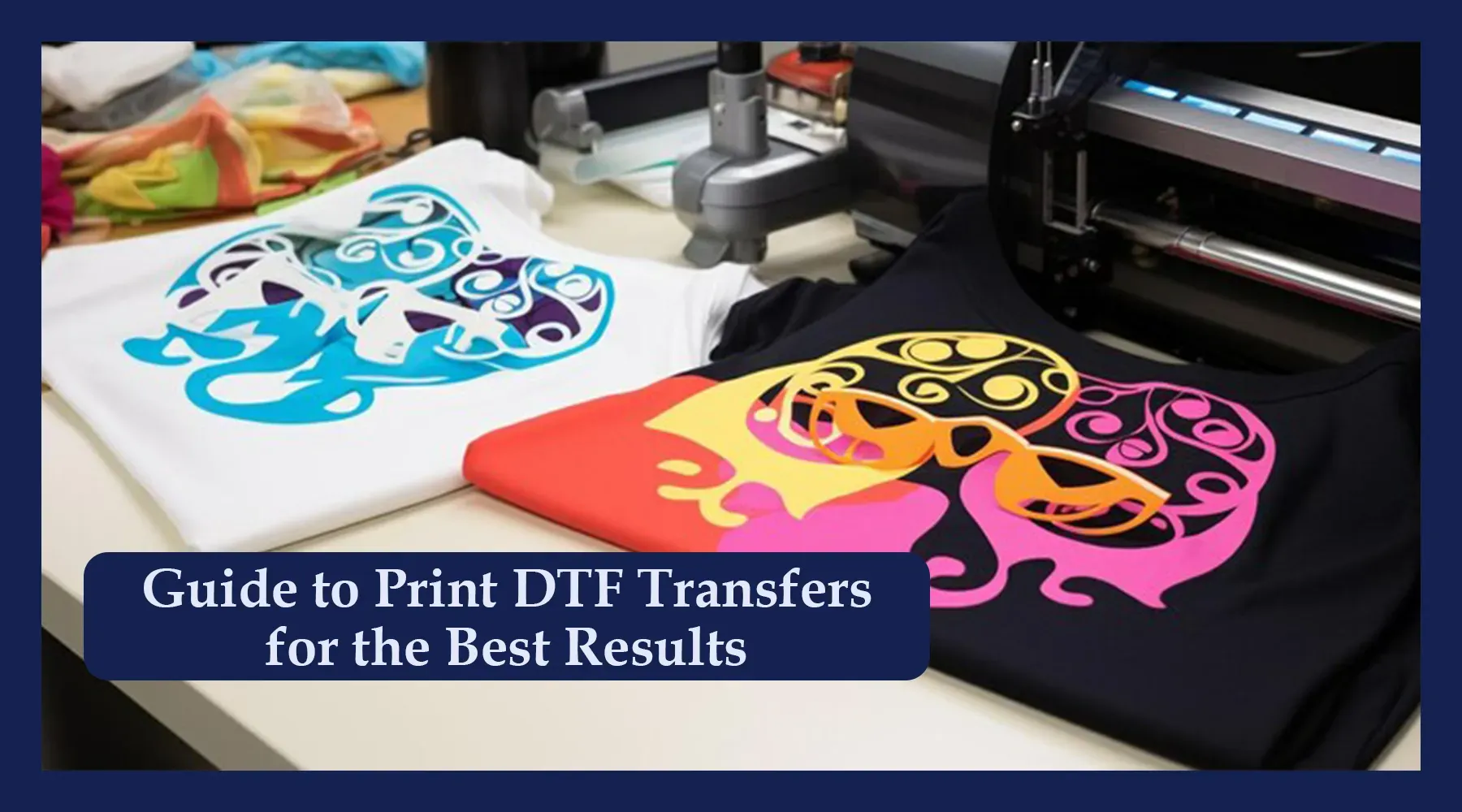
DTF transfers open a new era for apparel decoration, blending digital design freedom with durable, vibrant finishes that cling to cotton, blends, and even dark fabrics. As a modern alternative to screen printing and sublimation, direct-to-film printing leverages DTF ink to render rich color, subtle gradients, and a soft hand-feel that stays comfortable after wear and wash. If you’re curious about getting great results with this technique, the following guide outlines the core workflow from concept to application, with practical steps and checkpoints to track progress. A practical toolkit—DTF film for the artwork, adhesive powder to form the bond, a curing device to set the print, and a reliable heat press for apparel to fuse it all—helps you plan a smooth production. With color-management tips, post-transfer care guidelines, and troubleshooting DTF transfers in mind, you’ll be ready to produce professional-looking designs across a wide range of fabrics.
Viewed through an alternate lens, this technology is essentially a film-based digital garment decoration method that uses a PET film carrier to translate art into wearable form. The workflow emphasizes a white underbase, layer-by-layer color, and the robust adhesion that comes from heating a cured powder into a permanent bond. In SEO terms, you’ll encounter synonyms such as digital textile printing on film, PET film transfers, or print-on-film workflows that align with LSIs and user queries. Practically, the artwork is printed on film, powder-coated, cured, and then applied with precise heat and pressure to embed the design into fabric. If you’re evaluating options or troubleshooting, understanding these LSIs concepts can help you navigate results, identify potential issues early, and select the right equipment.
DTF transfers: what they are and why they matter
DTF transfers, short for direct-to-film transfers, are a digital textile printing method where artwork is printed onto a PET film using water-based inks, typically with a white underbase. After printing, an adhesive powder is applied and cured, and the film is then pressed onto fabric to transfer the design. This process yields durable, vibrant images suitable for T-shirts, hoodies, tote bags, and more.
As a modern alternative to traditional methods, DTF transfers combine the flexibility of digital design with the durability of heat-set transfers. They work on a wider range of fabrics, including cotton blends and dark garments, and enable small runs with minimal setup when compared to screen printing. This makes DTF transfers a compelling option for brands, artists, and hobbyists seeking fast production and high color fidelity.
Direct-to-film printing explained: how it works across fabrics
Direct-to-film printing is the umbrella term for printing artwork onto a PET film, which is then coated with adhesive powder and cured before transfer. Unlike dye-sublimation, DTF printing works on a broad fabric spectrum, including cotton blends and dark fabrics, and does not require a white or light substrate for success.
The workflow emphasizes sharp edges, fine detail, and full-color images. This digital approach offers crisp lines and gradients, enabling complex designs to stand out on a variety of apparel and textiles while maintaining a soft hand-feel after transfer.
Essential materials for successful DTF transfers
A practical DTF workflow starts with the right tools: a DTF printer capable of white ink and color inks, DTF film (PET film), adhesive powder, a curing device, and a reliable heat press for apparel. The transfer process also benefits from protective coverings, trimming tools, and appropriate garments to test and refine settings.
Key consumables include DTF ink formulations optimized for vibrant color and deep underbases, as well as carefully calibrated adhesive powders. Selecting a compatible DTF film and ensuring a stable heat press temperature, pressure, and dwell time are critical to achieving consistent results across different fabrics.
Optimizing your DTF workflow: a practical step-by-step guide
Step-by-step, begin with designing or importing artwork in high resolution, then build a white underbase for dark fabrics and mirror graphics if needed for your printer. Save files in the format your DTF workflow requires and ensure color management remains consistent across runs.
Next, print the design on DTF film using the printer settings that support white ink, verify color alignment with a test sheet, apply adhesive powder evenly, cure appropriately, and trim as necessary. Finally, transfer the design with a heat press for apparel at the recommended temperature and dwell time, then allow the garment to cool and perform post-transfer testing for colorfastness.
Troubleshooting common issues with DTF transfers
Common issues include a white underbase that appears uneven or missing, colors that look dull, edges that lift or crack, and film not releasing cleanly from the garment. For each problem, check printer settings, ink flow, and the curing process as part of a systematic troubleshooting approach to DTF transfers.
Practical fixes involve recalibrating color profiles, adjusting powder density, and refining pressing time and pressure within recommended ranges. Also verify the film tension and peeling method (warm vs. cold) to ensure clean release and durable adhesion across fabrics.
Caring for DTF transfers and maximizing durability
Post-transfer care is essential for longevity. Turn garments inside out before washing, use cold or warm water with a mild detergent, and avoid harsh chemicals. Hang dry when possible, or tumble dry on low heat following the garment’s care instructions.
To sustain colorfastness and adhesion, limit high-heat cycles in the first few washes and perform periodic tests on representative pieces. With proper care and a consistent DTF workflow, you can maintain vibrant colors and durable transfers across a wide range of fabrics.
Frequently Asked Questions
What are DTF transfers and how does direct-to-film printing with DTF film work?
DTF transfers are a digital textile printing method created with direct-to-film printing on a PET DTF film. The artwork is printed with a white underbase and color inks (DTF ink), then coated with adhesive powder and cured. The film is placed on the garment and pressed with a heat press for apparel to bond the design.
What materials and equipment do I need for successful DTF transfers using a heat press for apparel?
A solid baseline includes a DTF printer capable of white ink and color inks (DTF ink), DTF film, adhesive powder, a curing device, a heat press for apparel, transfer papers or protective coverings, cutting/weeding tools, and suitable garments. Regular cleaning supplies and maintenance gear help keep results consistent.
How can I troubleshoot common issues with DTF transfers?
Common problems include uneven white underbase, dull colors, or edge lifting. Troubleshoot by checking white ink flow and printer settings, ensuring proper curing, recalibrating color profiles, adjusting powder density, and verifying film adhesion and peeling method (warm vs cold) during transfer.
What care guidelines help maximize the longevity of DTF transfers?
Post-transfer care is key: turn garments inside out before washing, use cold to warm water with a mild detergent, and either air dry or tumble dry on low heat. Avoid high heat cycles in early washes to protect the DTF transfer’s durability.
How do DTF transfers compare to screen printing and sublimation for garment decoration?
DTF transfers offer on-demand production and work on a wider range of fabrics (including dark garments) with detailed color reproduction. They reduce setup for small runs and customize quickly, but require a larger initial investment and a more involved workflow than traditional screen printing or sublimation.
What heat press settings work best for dark versus light fabrics when applying DTF transfers?
For most applications, use a heat press for apparel at about 160–170°C (320–340°F) with 12–20 seconds of dwell time and even pressure. Dark fabrics may benefit from a white underbase and careful verification of curing; always follow adhesive and fabric guidelines for optimal results.
| Topic | Key Points |
|---|---|
| Introduction | DTF transfers are transforming apparel decoration by enabling vibrant, durable designs with a soft hand-feel and economical setup for small runs. This table highlights the core ideas: what DTF transfers are, how direct-to-film printing works, essential materials, a concise workflow, practical tips, and care considerations. |
| What are DTF transfers? | Direct-to-film transfers are a digital textile printing method in which artwork is printed on PET film with water-based inks, typically including a white underbase. The film is coated with adhesive powder, cured, then placed on fabric and pressed with heat to transfer the design. The result is a durable, vivid image suitable for T-shirts, hoodies, bags, and more. |
| Direct-to-film printing and fabrics | DTF is an umbrella term for printing on a broad range of fabrics, including cotton blends and dark garments. It does not require white underbases on every substrate and enables crisp lines, fine detail, and full-color images, offering a flexible alternative to dye-sublimation on non-polyester fabrics. |
| Materials & Equipment | Key tools for a successful DTF workflow include: - DTF printer with white ink capability; - DTF film (PET film); - Adhesive powder; - Curing device or oven; - Heat press with stable temperature, even pressure, and proper dwell time; - Transfer paper or protective coverings; - Weeding tools and scissors; - Garments/substrates (cotton, cotton blends, some synthetics); - Cleaning supplies and maintenance gear. |
| Step-by-step workflow (summary) | Step 1: Design and prepare (white underbase for dark fabrics; mirror text if needed; save in a compatible format). Step 2: Print on DTF film with proper ink settings and test sheet; ensure dry before powdering. Step 3: Apply adhesive powder evenly; remove excess powder and cure; cool before handling. Step 4: Trim film and pre-press garment. Step 5: Transfer (160–170°C / 320–340°F; 12–20 seconds; heat press with even pressure; peel warm or cold as required). Step 6: Post-transfer care and testing (cool, inspect, wash test; adjust as needed). |
| Practical tips | - Color management matters: calibrate printer and color profiles; test print for consistency across runs. - Powder density: aim for a light, even coat to balance adhesion and hand-feel. - Substrate awareness: different fabrics may require different dwell times and temperatures; test swatches. - Edge handling: trim excess film for clean edges. - Maintenance: clean print heads and keep film flat; regular calibration helps consistency. - Safety: work in a well-ventilated area. |
| DTF transfers versus other methods | Advantages: versatile across fabrics and colors (including dark garments), on-demand capability, and strong detail/color fidelity with durable results. Considerations: higher initial costs, a multi-step workflow, and ongoing maintenance requirements. |
| Care guidelines | Post-transfer care guidelines include turning garments inside out before washing, using cold or warm water with mild detergent, hanging dry or using low heat tumble dry, and avoiding high-heat cycles for the first few washes to reduce edge lifting. |
| Troubleshooting common issues | - Uneven/missing white underbase: check white ink flow, printer settings, and proper curing. - Colors dull: recalibrate color profiles and ensure proper curing. - Edges lifting/cracking: adjust pressing time/pressure and verify powder density. - Film not releasing cleanly: verify peeling method and tension during transfer. |