
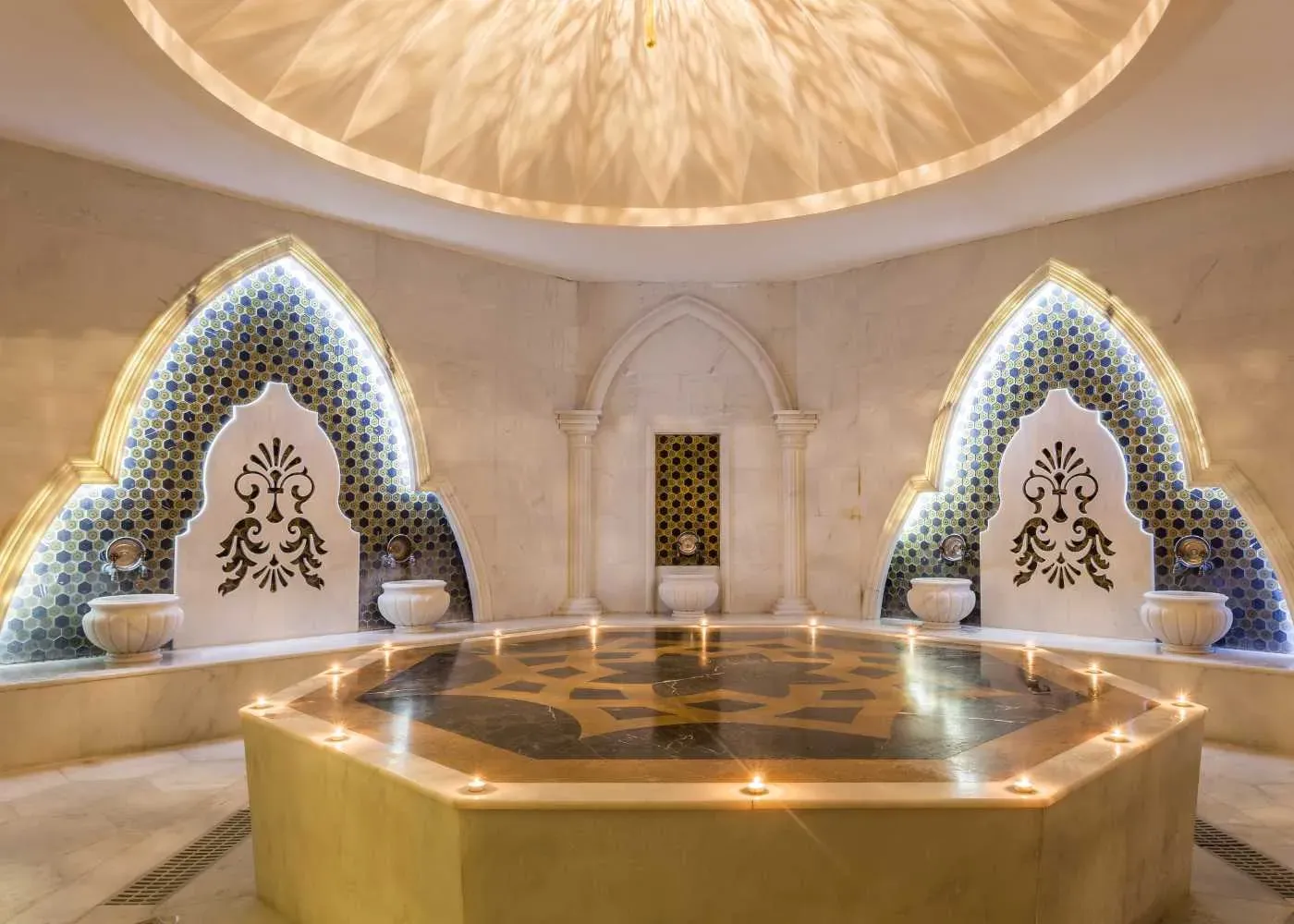
Turkish Hammam invites you into a sensory journey that blends heat, steam, and social ritual, turning a routine spa day into a cultural immersion. From marble-clad rooms and domed ceilings to the aroma of olive oil soaps, the hammam embodies the traditional steam bath. Its ritual sequence—warmth, exfoliation with kese, soap lather, rinse, and a cooling finale—highlights hammam features that distinguish it from a typical spa vs hammam experience and echoes centuries of Turkish bath rituals. Participants share a communal space where the ritual becomes a social and sensory event, not merely a treatment. If you’re seeking a cultural cleanse that calms the mind while renewing the skin, the Turkish Hammam offers a distinctive Turkish spa experience.
In other words, this age-old bathhouse tradition blends heat, humidity, and ceremonial steps into a public bathing culture that scholars might call an Ottoman-era bathhouse ritual. Known as a Turkish bath in everyday language, the public soak emphasizes a sequence of warming rooms, exfoliation, and sociable steam that differs from modern spa treatments. From a design-forward hammam experience to etiquette of shared spaces, the language around this practice reflects hammam rituals and related ideas like traditional steam bath and spa vs hammam. Approaches to cleansing and relaxation here often highlight a communal ambiance and woven cultural meanings that extend beyond simple spa services. For wellness travelers, framing a visit as a heritage Turkish spa experience can offer a rich, authentic glimpse into Mediterranean wellness traditions.
Turkish Hammam: A Timeless Turkish Bath Ritual
The Turkish Hammam is more than cleansing; it is a timeless ritual rooted in Ottoman traditions and Mediterranean wellness. The environment itself—a marble slab, a domed ceiling, and softly lit rooms—serves as a stage for a Turkish bath ritual that centers warmth, social connection, and sensory immersion. In this setting, you may encounter terms like Turkish bath rituals, hammam features, and traditional steam bath as you move through the sequence from warm rooms to hotter spaces, finishing in a cooling area.
Unlike a private spa treatment, the hammam invites a social, ceremonial rhythm that can feel almost sacred. The staff guide you through a cleansing sequence designed to exfoliate and relax the muscles, while the scent of olive oil soaps and steam fills the air. This distinction—public or semi-public ritual alongside centuries-old heritage—helps explain why many visitors describe the Turkish spa experience as immersive, connective, and culturally resonant.
Hammam Features and the Sensory Experience: From Steam to Soap Foam
At the heart of the hammam experience are its features: heat and humidity that soften the skin, with kese exfoliation adding texture, and a generous soap foam that invites a rich lather. The traditional steam bath environment loosens tension and primes the skin, making cleansing more effective than a dry-treatment spa. These hammam features set the Turkish bath apart from many modern spa settings, emphasizing steam, humidity, and ritual over a purely private experience.
This sensorial journey often includes a massage and cooling step, reinforcing circulation and relaxation. For many guests, the benefits extend beyond refreshed skin to improved mood and muscle ease, aligning with the Turkish spa experience of holistic wellness rather than transient pampering.
The Step-by-Step Turkish Bath Rituals: Warmth, Exfoliation, and Renewal
The ritual unfolds in stages: warmth and preparation in a humid chamber, where the body opens and impurities loosen. Exfoliation with kese—an ancient, coarse glove—scrubs away dead skin with rhythmic strokes, a signature hammam ritual that leaves the skin feeling renewed. Soap and lather follow, rich with fragrance, as the foam works deeply into pores and creates a light, social moment for those who enjoy shared experience during a session.
A thorough rinse signals the next step, often accompanied by a traditional massage that seals the ritual. Finally, a cooling area and hydration with water or herbal tea help normalize temperature and support detoxification. These steps illustrate how Turkish bath rituals combine cleansing, relaxation, and community in contrast to typical Western spa routines.
Spa vs Hammam: Choosing the Right Experience for Your Wellness Goals
Choosing between spa and hammam often comes down to goals: a private, results-driven experience with targeted beauty services versus a culturally immersive, communal cleansing ritual. Spa vs hammam highlights differences in privacy, ambiance, and treatment philosophy, with the hammam emphasizing heat, humidity, exfoliation, and social space, while modern spas prioritize private treatment rooms and a broader menu of services.
For travelers seeking authentic immersion, the Turkish bath ritual can offer a deeper sense of place and tradition, adding a memorable layer to a wellness itinerary. If you value privacy and a wide range of contemporary therapies, a Turkish spa experience in a modern facility might be more suitable.
Etiquette and Practical Tips for a Respectful Hammam Visit
Respect and preparation set the tone for a positive hammam visit. Understanding hammam etiquette helps guests participate safely in a public, ceremonial space, from how to greet attendants to where to place your towel and how to position yourself on heated marble.
Practical tips cover attire, personal hygiene, hydration, and how to respond to guidance from therapists. Observing modest dress, removing jewelry that could snag on marble, and following staff directions contribute to a serene experience that honors tradition and ensures comfort for everyone.
Planning Your Turkish Bath Adventure: Travel Tips and Booking Essentials
Incorporating a Turkish bath experience into travel or wellness plans requires some planning. Look for established hammams with clear etiquette guidelines, transparent pricing, and trained therapists who can guide the ritual with care. Identifying a venue that emphasizes a patient, step-wise sequence helps set expectations for warmth, exfoliation, and massage you’ll experience.
Booking a shorter introductory session can ease first-timers into the ritual, while longer experiences can be tailored to combine exfoliation with massage and relaxation. Whether your aim is cultural immersion or pure relaxation, this traditional steam bath practice offers a distinctive Turkish spa experience—a chance to connect with history while recharging body and mind.
Frequently Asked Questions
What is the Turkish Hammam and how does it differ from a Turkish bath or spa?
The Turkish Hammam is a centuries‑old communal cleansing ritual rooted in Ottoman tradition. It differs from a Turkish bath or modern spa through its ceremonial sequence, shared warm and humid spaces, and a progression that includes exfoliation with kese, soap foam, rinsing, and sometimes massage, rather than a private treatment.
What are the key hammam features in a traditional Turkish bath rituals sequence?
Core hammam features include a warm, humid room, a traditional kese exfoliation, fragrant soap foam, a thorough rinse, optional massage, and a cooling, hydrating finale. This ritualized sequence distinguishes the Turkish bath rituals from typical spa services.
How does the spa vs hammam experience compare in a Turkish Hammam setting, and is it a traditional steam bath?
In a Turkish Hammam, the spa vs hammam experience centers on communal ritual, guided steps, and exfoliation-driven cleansing in high humidity, whereas many spas emphasize private rooms and results-focused treatments. The hammam relies on traditional steam and warm rooms rather than dry heat typical of some spa areas, offering a traditional steam bath ambiance.
What is proper hammam etiquette for a respectful Turkish Hammam visit?
Hammam etiquette includes arriving with modest expectations, following staff guidance, staying hydrated, bringing a clean towel, wearing appropriate attire, keeping conversations respectful, and respecting the shared space and privacy during the ritual.
What benefits can you expect from the Turkish Hammam and what should travelers know about the Turkish spa experience?
Benefits commonly reported include improved circulation, skin renewal from exfoliation, muscle relaxation, and reduced stress. Travelers should listen to their body, stay hydrated, and choose experiences that match their comfort level within the Turkish spa experience.
How can travelers plan to include a Turkish Hammam in their travel or wellness plan?
Plan ahead by researching reputable hammams with clear etiquette guidelines, book a shorter session to learn the ritual, decide between basic cleansing and the full Turkish bath ritual, and budget for optional services like massage. This helps you enjoy an authentic Turkish Hammam as part of your itinerary.
| Aspect | Key Points |
|---|---|
| What it is and how it differs from Spa? | A Turkish Hammam is a long-standing cultural practice rooted in Ottoman traditions and communal bathing; it emphasizes a ceremonial sequence and shared space, contrasting with a modern spa’s private, treatment-focused atmosphere. |
| Setting and Ambiance | Architecture and atmosphere with marble, domed ceilings, and steam-filled rooms; designed for contemplation and social connection in public or semi-public spaces rather than private treatment rooms. |
| Rituals and Methods | Warmth and preparation; exfoliation with kese; soap lather; rinse and optional massage; cooling and hydration; a structured sequence that cleanses, exfoliates, and relaxes. |
| Hammam Features vs Spa Services | Heat and humidity; public ritual vs private session; exfoliation with kese; soap foam and choreography; heritage and tradition setting hammams apart from modern spa experiences. |
| Benefits & Health Considerations | Improved circulation, skin renewal, reduced muscle tension; stress reduction; cultural immersion. |
| Etiquette & Tips | Arrive with modest expectations; follow staff directions; hydrate; personal hygiene; attire; respect the space. |
| Hammam vs Spa: When to Choose | If you seek a culturally rich cleansing ritual and social, immersive environment, the Turkish Hammam offers a unique experience; for privacy and targeted treatments, a modern spa may be more suitable. |
| Incorporating into Travel/Wellness Plan | Look for historic hammams in destinations like Istanbul, Edirne, or Iznik; check etiquette guidelines, trained therapists, and pricing; consider starting with a shorter session to learn the ritual. |
Summary
Turkish Hammam offers a sensory journey where heat and steam meet ritual choreography, marble surroundings, and communal spaces to cleanse the body and calm the mind. This centuries-old tradition stands apart from modern spa experiences by prioritizing shared ceremony, exfoliation, and cultural immersion, inviting travelers and wellness seekers to slow down, participate in tradition, and carry with them a memorable, deeply rejuvenating practice.