
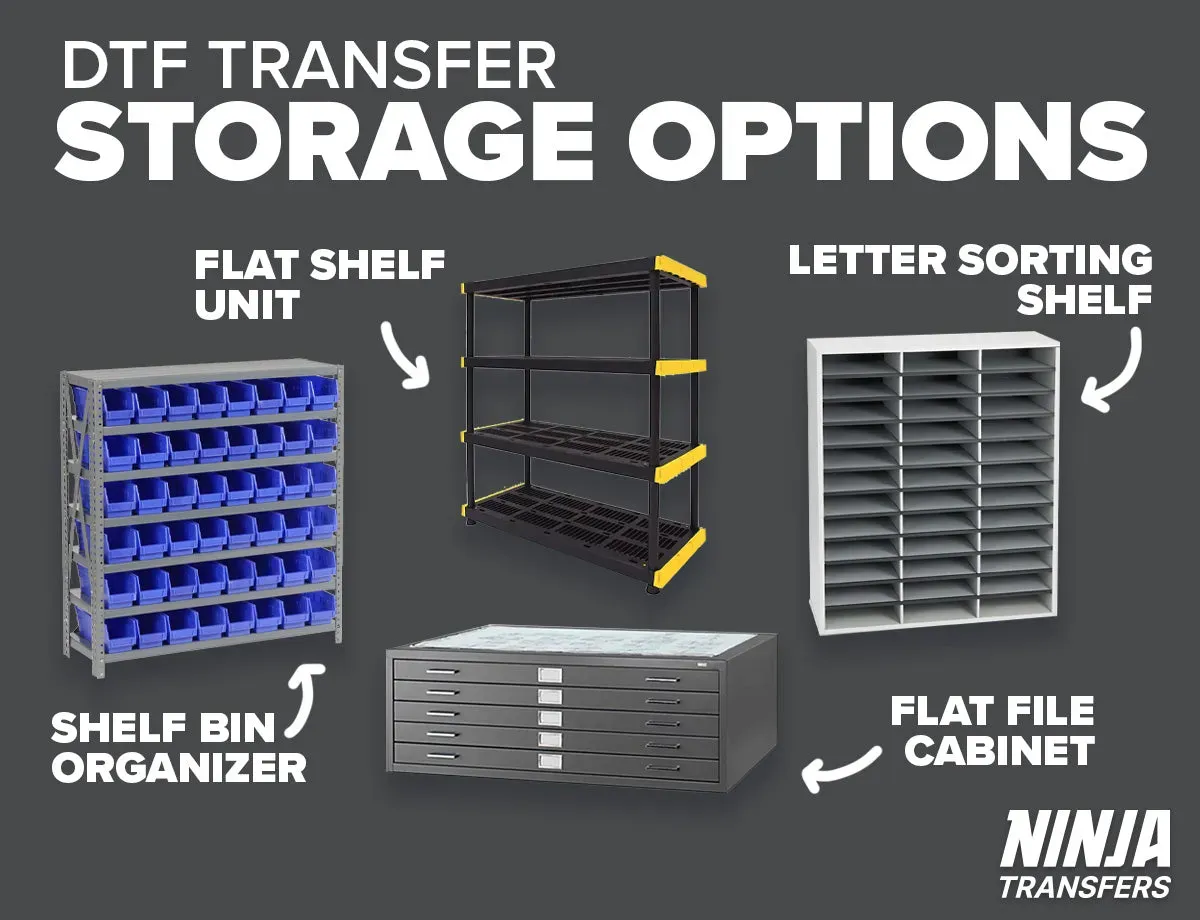
DTF transfers storage is a crucial foundation for reliable, high-quality garment printing. In the world of direct-to-film processes, how you store DTF films and DTF transfer paper storage can impact adhesive performance and color fidelity. Proper storage protects the adhesive, preserves the image, and helps you manage inventory with confidence. By controlling humidity, temperature, and light exposure, you create a stable environment that maintains transfer flexibility and longevity. This guide offers practical steps for labeling, organization, and routines that support consistent results across batches from stock to finished transfers.
Beyond the phrase DTF transfers storage, the concept can be described as safeguarding film stock and finished transfers against moisture, heat, and light. From an efficiency point of view, think of it as DTF film storage and transfer care that protect performance over time. Using clean labeling, stable storage environments, and routine inspections, you preserve color fidelity and adhesion across batches. LSI-friendly terms such as storage environment controls, inventory stewardship for transfers, and systematic packaging help frame the same idea for search engines. In short, proper organization and climate control translate to consistent results, reduced waste, and smoother workflows.
DTF Transfers Storage: Protecting Adhesive, Color Integrity, and Longevity
DTF transfers storage is more than just stacking finished products on a shelf; it directly safeguards the adhesive layer, color fidelity, and the overall lifespan of both transfers and films. When moisture, heat, or light breach storage conditions, the adhesive can lose tack, colors can shift, and the transfers may exhibit cracking or ghosting on fabrics. Maintaining the right environment helps preserve performance from batch to batch and reduces waste caused by degraded materials.
To protect your output, establish a straightforward routine: store DTF films and finished transfers in flat, labeled containers with acid-free interleaves, monitor humidity with indicator cards, and use desiccants as needed. Keep the storage area clean, out of direct light, and away from heat sources, so your DTF transfers retain their flexibility and adhesion for the longest possible shelf life.
How to Store DTF Films: Best Practices for Film Storage and Handling
Learning how to store DTF films starts with understanding their layered construction—PET carrier, adhesive, and the printed image. Moisture exposure can cause condensation, warping, or reduced tack, while dust or oils can transfer onto the surface and affect adhesion. By aligning storage practices with the needs of film materials, you can minimize color shifts and distortion that degrade transfer quality.
Store DTF films in flat, protective environments to prevent curling or bending. Use acid-free interleaves between stacks, opt for breathable sleeves or labeled boxes, and avoid rolling or stacking too tightly. Prioritize clean workspaces, stable humidity, and temperature-controlled storage to maintain image integrity and ensure quick, reliable production when you need to pull materials for runs.
DTF Film Storage: Environmental Control for Optimal Results
Environmental control is the cornerstone of successful DTF film storage. Aim for a stable relative humidity roughly in the 30-50% range and a temperature window around 65-75°F (18-24°C). Too much humidity or heat can compromise adhesive performance and color fidelity, while extreme dryness can make films brittle and difficult to handle.
Protect films from direct sunlight and harsh lighting, which can cause UV-related color changes over time. Use climate-controlled shelving or cabinets, and consider humidity indicators and silica gel packs to maintain consistent RH. A well-sealed storage space also helps minimize dust and static, preserving film surfaces for longer periods.
DTF Transfer Care: Cleaning, Handling, and Packaging to Preserve Image Quality
DTF transfer care begins long before pressing. Gentle handling, clean hands, and minimal contact with the image surface reduce the risk of fingerprints, oils, and dust affecting adhesion and color. Wearing non-powdered gloves when handling films or transfers can further limit contamination, while anti-static mats help control dust and static buildup in work areas.
Packaging matters just as much as handling. Place finished transfers in acid-free sleeves or rigid, breathable containers and store them flat. Label each item clearly, use interleaves to prevent surface scratches, and keep a clean, dry work area to preserve image integrity and adhesive performance across batches.
Organizing DTF Transfers and Paper Storage: Labeling, FIFO, and Inventory
Efficient organization starts with robust labeling, batch tracking, and thoughtful categorization. Group transfers by size, carrier, and finish, and keep everything in clearly labeled bins or boxes so you can locate items quickly during production rushes. Tracking batch numbers and creation dates supports quality control and troubleshooting if issues arise.
Inventory control should include a simple digital or spreadsheet log with location, quantity, and status. Practice FIFO (first-in, first-out) to minimize the risk of older transfers degrading in storage. For transfer paper storage, maintain separate, labeled spaces and ensure away-from-dust zones with appropriate interleaving and desiccants to keep both media types in peak condition.
Shop-Size Storage Solutions: From Home Studios to Large Facilities on How to Store DTF Transfers
Storage needs scale with the size of your operation. In a home studio, you can start with clearly labeled plastic bins, flat drawers, and simple humidity control to keep DTF films and transfers organized. The goal is to maintain a repeatable routine that protects materials without overcomplicating workflows.
Medium and large facilities benefit from climate-controlled cabinets, dedicated storage rooms, and integrated inventory management. Implement labeled shelving, desiccant packs, humidity indicators, and a standardized workflow for regular inspection and replenishment. Whether you’re storing DTF transfers or managing DTF transfer paper storage, a scalable system keeps quality consistent across volumes and helps you meet production deadlines.
Frequently Asked Questions
How to store DTF transfers to maintain quality and longevity?
To store DTF transfers effectively and preserve quality, keep the environment stable: aim for 30-50% RH and 65-75°F (18-24°C). Store finished transfers flat in acid-free sleeves or in breathable containers, with interleaving sheets to prevent surface scratches and sticking. Use desiccants and clearly labeled bins to track batches, and rotate stock using FIFO to reduce waste. Handle items with clean hands or gloves to avoid oils that can affect adhesion.
DTF film storage: what are the essential steps to protect DTF films during storage?
DTF film storage relies on controlling moisture and light to protect the adhesive and image. Keep films flat, not rolled, in clean bins with interleaves; monitor humidity with indicators and refresh desiccants as needed. Store away from direct sunlight and heat sources to prevent color shifts and tack changes. Maintain a consistent temperature and a clean, dust-free environment.
DTF transfer care: what daily handling practices help extend the life of transfers?
DTF transfer care starts with clean handling. Always use clean hands or gloves and avoid powders or oils that can transfer to the film surface. Store finished transfers in acid-free sleeves and keep the storage area dust-free and non-static. Regularly inspect transfers for discoloration, warping, or changes in adhesive behavior to catch problems early.
DTF transfer paper storage: how should transfer papers be stored to avoid curling and adhesion issues?
DTF transfer paper storage should keep papers in a stable environment and organized by batch. Aim for 30-50% RH and moderate temperature, and store papers flat in labeled boxes or sleeves to prevent curling. Keep them away from direct light and strong heat sources, and use interleaves and breathable packaging to minimize moisture exchange. Maintain simple inventory records to track what you have and when it was produced.
Store DTF films: why is flat storage better than rolling for films and transfers?
Storing DTF films flat prevents curling, creases, and imprinting on the adhesive surface. Use flat-file drawers or shallow boxes with interleaving sheets and keep items level. Label containers clearly and choose breathable lids when possible to balance moisture control with airflow. This approach helps maintain film flexibility and transfer image fidelity over time.
Common mistakes to avoid when you store DTF films and transfers?
Common mistakes to avoid when you store DTF films and transfers include storing in damp spaces, leaving containers open, and stacking items without interleaving sheets. Also avoid exposing items to direct sunlight, extreme temperatures, or dust and oils from handling. Neglecting regular inspection or failing to rotate stock can lead to degraded transfers or outdated films. Maintain a simple routine with humidity checks, labeling, and FIFO to protect your inventory.
| Topic | Key Points | Practical Tips |
|---|---|---|
| Introduction & importance of storage | Storage affects transfer quality and film longevity; poor storage can cause fading, cracking, and adhesion issues; proper storage preserves adhesive, image fidelity, and shelf life. | Develop a simple, repeatable routine that fits your shop and pre-press workflow. |
| What makes DTF transfers and films sensitive to storage? | DTF films have PET carrier, adhesive, and ink; moisture can cause condensation and adhesion problems; heat and UV light can shift color/tack; dust/oils can cause adhesion issues or ghosting. | Keep humidity stable, temperature moderate, and surfaces clean and protected. |
| Environmental conditions to control | Humidity: roughly 30-50% RH; Temperature: around 65-75°F (18-24°C); Light: avoid direct sunlight and strong artificial light. | Use a stable climate and lighting controls; monitor RH with a gauge and adjust as needed. |
| Storage containers & packaging | Flat storage for unprinted/cured transfers; acid-free interleaves; protective sleeves; transparent labeling; desiccants; humidity indicators. | Use acid-free interleaves, sealed or breathable containers, and clearly labeled bins; place desiccants and indicators where visible. |
| Store films & transfers flat vs rolled | Flat storage prevents curling/creasing and preserves adhesive integrity; rolling can cause stresses and creases. | If space is limited, use flat drawers and careful interleaving; avoid rolling whenever possible. |
| Cleanliness & handling | Keep surfaces clean; wash hands; use gloves if handling frequently; avoid powders; maintain a non-static work area. | Maintain a clean, dry workspace; use anti-static mats; handle with minimal direct skin contact. |
| Labeling, organization & inventory | Batch/lot tracking; categorize by size/type; use FIFO; maintain digital records. | Label storage units clearly; keep a simple inventory log with location and status; rotate stock. |
| Safety & long-term considerations | Avoid chemical exposure; manage temperature fluctuations; ensure ventilation around storage areas. | Keep cleaners/solvents away; insulate storage; ensure adequate airflow. |
| Practical storage workflows by shop size | Small: labeled plastic boxes or shallow drawers; Medium: climate-controlled cabinet; Large: dedicated storage room with inventory system. | Scale setup to operations; implement routine checks for humidity and inspection dates. |
| Common mistakes to avoid | Storing in damp places; leaving containers open; not interleaving; skipping inspections; handling with dirty hands. | Avoid these by enforcing checks and using interleaving sheets. |
| A concise checklist for DTF transfers storage | Maintain 30-50% RH and 18-24°C; use flat labeled containers with interleaves and desiccants; store away from light; handle with clean hands; track batches and rotate stock; periodic checks for issues. | Keep a simple log and perform regular inspections. |
Summary
DTF transfers storage is the foundation of reliable, high-quality output for any shop that handles films and transfers. Proper storage practices protect adhesive integrity, preserve image quality, and extend shelf life. By controlling humidity, temperature and light exposure, using flat labeled storage with interleaves, and maintaining a routine inventory system, you minimize waste and ensure consistent results across batches. Scalable storage workflows—whether in a small home studio or a large production facility—support efficient operations, protect material integrity, and help sustain long-term DTF capabilities.